Joseph Wright of Derby in 100 Observations
Artists acquire their reputations and an understanding of what kind of person they may have been in all sorts of ways. Sometimes they remain opaque, out of reach. Joseph Wright…

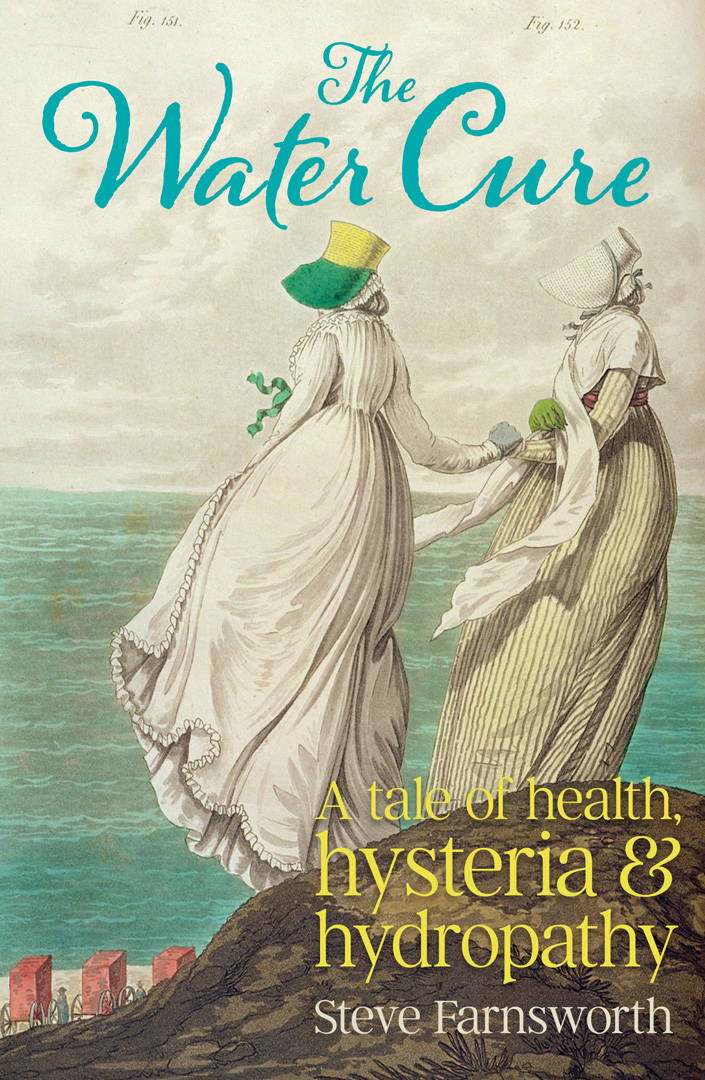
The story at the core of this novel revolves around the life and times of John Smedley, Victorian textile entrepreneur at Lea Mills, and then sudden convert to the benefits of hydropathy following his own severe illness in the 1850’s. Smedley’s story is one of Victorian uprightness, extreme religiosity, and a sudden conversion from the saving of man’s soul to the cure of his or her bodily ailments. All were to be susceptible, apparently, to the cold water cure.
The novel will go on to explore the notion of mania: excessive enthusiasm, desire or obsession. There have always been health fads and fashions, many of which remain in some more modern form. Vegetarianism was extolled its early as the 1720’s, mesmerism or hypnotherapy from the 1780’s and homeopathy from the 1790’s. Hydrotherapy actually began in the early 1700’s in England, but it was not until the 1820’s in Gräfenberg in Germany that Vincenz Priessnitz established its place amongst the well-to-do, the worried well and the gullible.
By the 1840’s Smedley was able to offer over two hundred alleged treatments for all manner of ailments, both real and imagined. An extraordinary pseudo-science grew up around hydropathic procedures and regimens. Bath-men and bath-women administered douches, sitz baths, immersions, sweatings, rubbings, hosings, massages and electric current; all overseen by hydropathic specialists who became celebrated practitioners in their own right. Hydros and spas became inland resorts, all catering for those who could afford the experience of taking the waters and undertaking the cure.
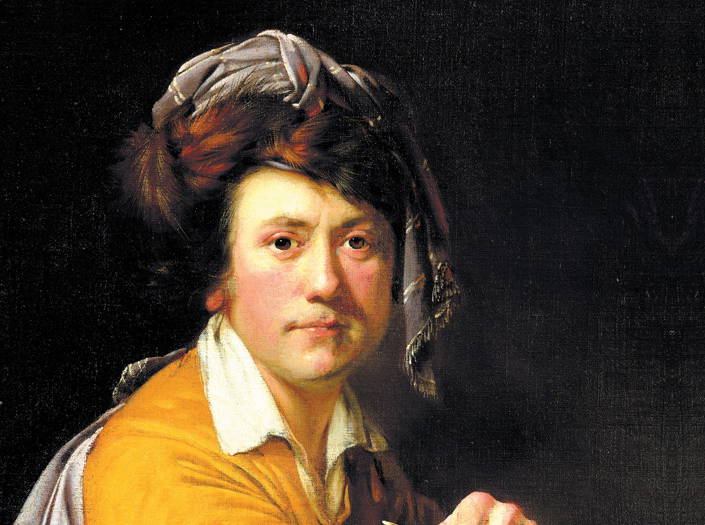
A central theme in Joseph Wright’s life, explored in Painting Faces, had always been his melancholia, his depressions and his reliance on his friend and physician Erasmus Darwin for help and solace. Wright was a hypochondriac and this no doubt contributed to the morbid states of mind, or low spirits of which he frequently complained. He was not alone. Speaking from his own personal experience, Dr George Cheyne, an eminent early physician, observed that mental depression afflicted the brilliant rather than the dull: "those of the liveliest and quickest natural Parts ... whose Genius is most keen and penetrating were most prone to such disorders. Fools, weak or stupid Persons, heavy and dull Souls, are seldom troubled with Vapours or Lowness of Spirits.” (The Essay on Regimen 1740). Darwin would have agreed with him. In the novel, on Darwin’s advice, Joe sends his wife Ann to Matlock Bath to drink the waters and take the tepid baths from the mineral springs under the New Bath Hotel: he had diagnosed suspected tuberculosis. And so spas and wells, became places of hope and last resort; hydropathy grew as a supplier of that hope to the wider masses that could never aspire to the exclusivity of the polite society of a spa resort.
By exploring Smedley’s extraordinary life and career in Lea and Matlock the novel investigates what, if anything, hydrotherapy and the desire for a better state of being could do for the physically or nervously unwell, or the simply vulnerable who wished to feel emotionally healed. The Water Cure delves into the deeper realms of dependency in practitioner-patient relations, and the merging of physical, mental and emotional states. This was still the age of ‘hysteria’ as a supposedly definable condition in women and ‘the cure’ was one path advised for it. It is a curiosity to be explored that women seemingly made up the majority of Smedley’s patients.
The Water Cure will end the short novel cycle that makes up The Derwent Trilogy.