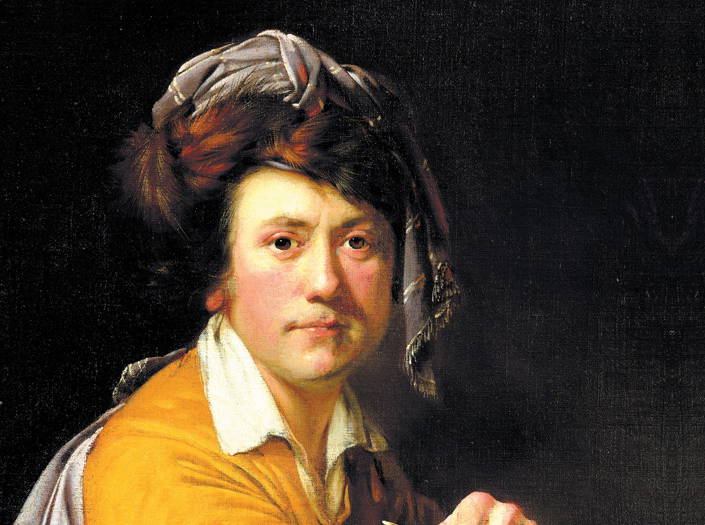
Joseph Wright of Derby in 100 Observations
Artists acquire their reputations and an understanding of what kind of person they may have been in all sorts of ways. Sometimes they remain opaque, out of reach. Joseph Wright…

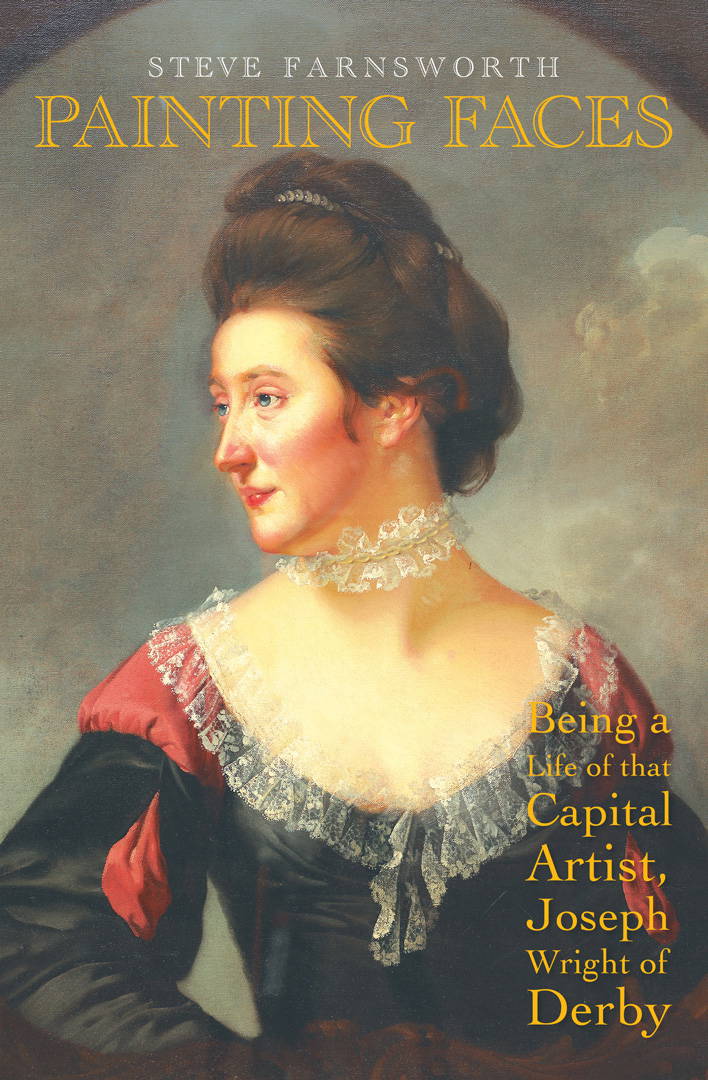
There are artists who produce masterpieces and who never quite grasp or suspect what it is that they have achieved. Joseph Wright is one such artist. The creator of The Orrery, The Airpump and the Forge paintings has come to be viewed as the prophet of modern science, of the Midlands Enlightenment and early industrialisation, yet Joe himself would never have suspected that his fame ~ if indeed he was ever likely to gain any ~ might rest on these particular works alone, magnificent though they are. Produced in a purple patch of creative energy in his early thirties, they touched on themes he left behind almost as soon as he had explored them. When we look retrospectively at these works now, we have become used to seeing them as the herald of a new scientific and industrial age, and we usually have little understanding of the complex lives and economic pressures which influenced their creation. Painting Faces recreates, within a part-fiction, the eighteenth century world from which these iconic images sprang.
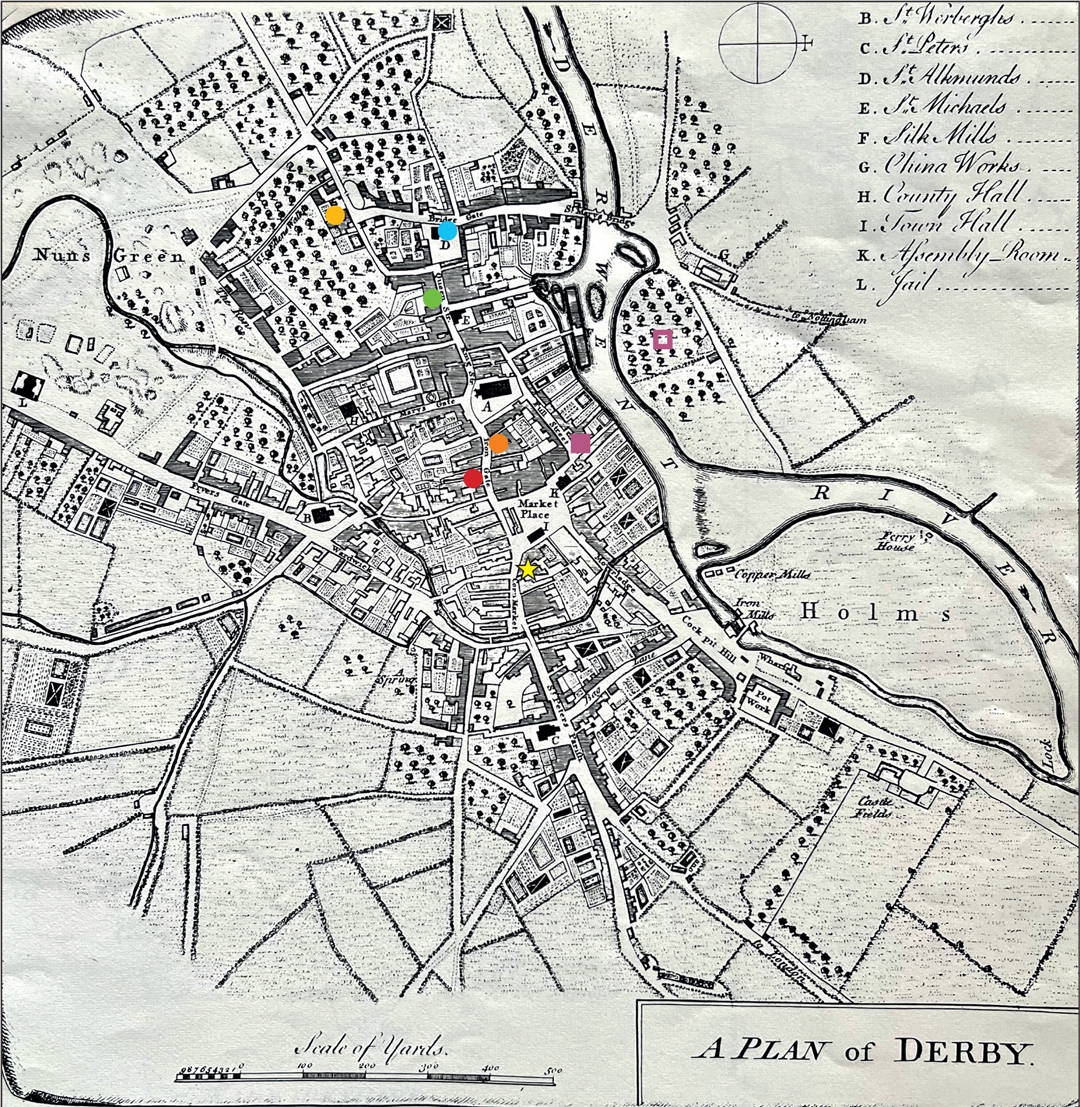
Wright was lucky; a provincial boy from Derby, then still a small country township, he was fortunate to be taught portraiture in London at a point in history when the first art societies and then the Royal Academy were generating the appetite for public exhibition and gallery-going. In Derby itself he was fortunate again to be amongst friends and patrons such as Peter Burdett, Erasmus Darwin and John Whitehurst, who challenged and stimulated him and opened him up to new fields of thought and expression. And then through them he gained the acquaintance and patronage of Josiah Wedgwood, the wider Lunar Society and the coming men of the first burst of Britain’s industrial revolution like Richard Arkwright.
This new novel re-imagines him in his world. It brings Joseph Wright forward for the first time as the complex, compromised character his life and work reveal him to be. Appealing to both those already acquainted with him, as well as those discovering the man for the first time, Painting Faces tells the story of a unique talent and an extraordinary career. No other eighteenth-century artist has the range and variety of Wright, and his story spans both the cultural currents of the London of his day, the rise of the industrial behemoths of the textile and manufacturing dynasties then being created, the sparkling intellectual life of the ‘Lunaticks’ and his own struggles with his health, his hypochondria and his depressions. And interwoven with all these currents is a love story…or what began as a love story…but which, like some other aspects of his life, became entangled and damaged. Ann, fifteen years his junior, is here brought into existence as a spirited, independent-minded woman who supports Joe in his weaknesses almost without question, but who, like many women of the era, becomes worn down by her constant child-bearing, succumbing to the white plague ~ tuberculosis ~ at the age of only forty-one.
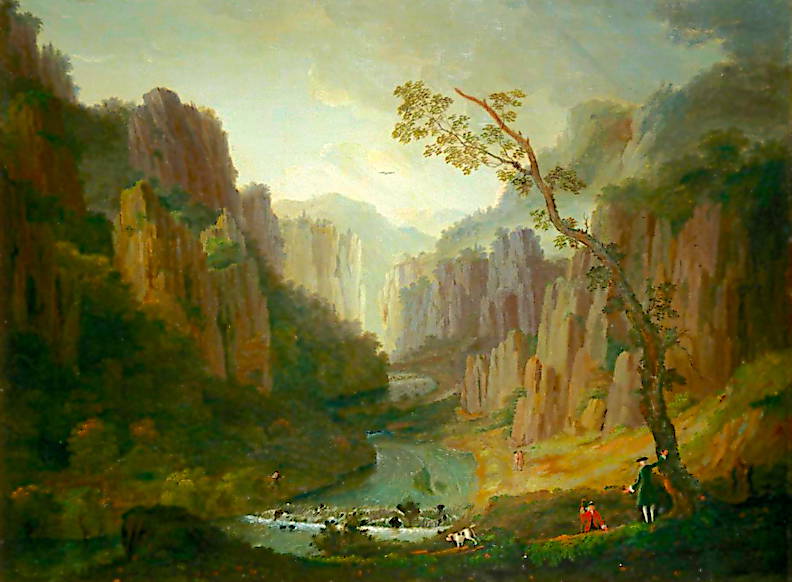
Painting Faces breaks new ground in bringing into the light one of Britain’s most iconic artists, a man never sure whether he had understood the journey from hack portrait-painter to that of a genuinely liberated and leading artist. Like his exact contemporary George Romney, who also features in the novel, Wright approached the end of his life unsure that he had even achieved much at all. But he can lay some claim to the creation of some of British art’s most sublime images, and in his ‘sensibility’ paintings of distressed women and in his later landscapes, to marking out ~ at the time of his death in 1797 ~ the first territory of the incoming Romantic movement.